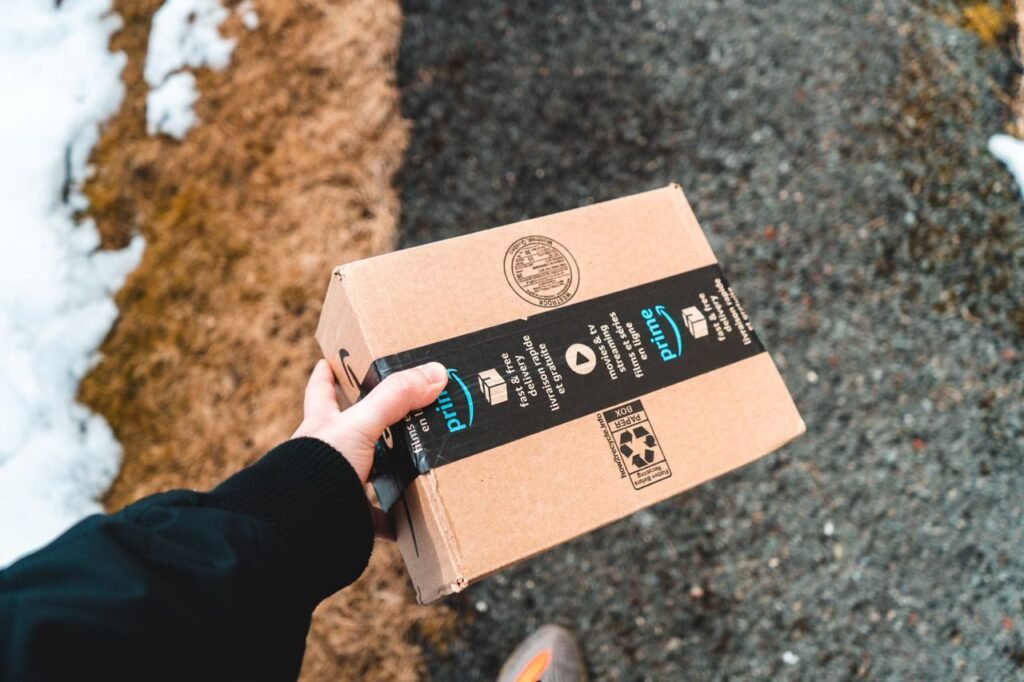
For years, Pakistani sellers watched Amazon from the outside. That changed in May 2021, when Pakistan was added to Amazon’s approved sellers list — meaning you can now register with Pakistani details, a Pakistani bank account, and a Pakistani address, and sell to customers in the United States, the United Kingdom, and other Amazon marketplaces.
That opening matters because Pakistan already makes what the world buys: textiles, sports goods, leather products, and surgical instruments are all strong export categories, and Amazon is the largest single shop window for them. This guide walks through the whole route — registration, product choice, fulfilment, and payouts — with realistic expectations and no earnings promises. Selling on Amazon is a real business, not a shortcut, and it works best when you treat it like one.
Can Pakistanis Sell on Amazon in 2026?
Yes. Since May 2021, Amazon has accepted seller registrations from Pakistan. You can create a seller account with your Pakistani national identity card (CNIC), a Pakistani bank account, and a local address. You will sell primarily on Amazon’s US marketplace (Amazon.com) or the UK marketplace (Amazon.co.uk), because Amazon does not operate a Pakistan marketplace.
Two practical points before you start:
- Amazon is a marketplace, not a job. You buy or make products, list them, and earn the margin between your landed cost and your selling price. There is no salary, and the first months are usually slow while your listings build reviews.
- Fees and payout rules change. Amazon updates its seller fees and payment options regularly. Before you commit money, confirm the current registration steps, fee schedule, and payout options inside Seller Central itself — this guide explains the process, not the fee table.
What to Sell from Pakistan: Products With a Real Advantage
The sellers who do best on Amazon are not the ones chasing random trending gadgets. They are the ones selling products their country already produces well, where they can control quality and cost. Pakistan’s manufacturing strengths are the obvious starting point.
| Product category | Why Pakistan has an edge | What to check first |
|---|---|---|
| Textiles and home linen | Faisalabad and Karachi mills; cotton, bed linen, towels | Fabric quality, GSM, and consistent dye lots |
| Sports goods | Sialkot is a world centre for footballs, gloves, and fitness gear | Export-grade stitching and size consistency |
| Leather goods | Leather jackets, wallets, gloves, and bags | Grain quality and hardware that survives shipping |
| Surgical instruments | Sialkot’s precision instruments are exported worldwide | Certification and packaging standards for the destination market |
| Handicrafts and home decor | Rugs, brass work, and onyx products | Fragile-item packaging and realistic shipping weight |
Before you order stock, test the idea the cheap way: check the same category on Amazon.com, read the top reviews, and look for complaints you can fix — a better size chart, clearer photos, stronger packaging. Your advantage is not the product alone; it is the product plus the fix.
A Pakistan-specific example: a Sialkot sports-goods workshop that already supplies footballs to local exporters has the factory, the stitching, and the quality control in place. Its hardest new costs are not manufacturing — they are Amazon fees, international shipping, and photography. If you already make or source a product locally, you are starting from a stronger position than someone importing stock from scratch.
Amazon Seller Registration: Step by Step
Registration happens in Amazon Seller Central. The steps below are the standard flow; confirm each screen inside Seller Central at the time you register, because Amazon updates its forms.
Step 1: Choose your selling plan
- Individual plan — no monthly subscription fee; you pay a per-item fee on each sale. Best for testing with a small number of listings.
- Professional plan — a monthly subscription fee, no per-item fee, plus access to advertising tools, bulk listing, and reports. Best once you are selling regularly.
Start on Individual, upgrade when your volume justifies it. Do not pay a monthly subscription before you have a product ready to list.
Step 2: Prepare your documents
Have these ready before you start the application:
- A valid CNIC or passport
- A bank account in your name (for payouts)
- A credit or debit card that works for international payments (for Amazon’s charges)
- A phone number and email address you actually monitor
- A business name — your own name works for a sole trader, or your registered business name
Step 3: Create the account and verify identity
Go to sell.amazon.com, choose your marketplace (most Pakistani sellers start with Amazon.com), and complete the registration form. Amazon will verify your identity and your documents. Verification can take a few days, and Amazon may ask for additional proof — a bank statement or a utility bill, for example. Answer promptly and with documents that match the name on your account exactly. Mismatched names are the most common reason registrations stall.
Step 4: Set up tax information
Amazon will ask for tax information during registration. Complete it honestly and in full. If you are unsure which tax form applies to you as a Pakistani seller, ask a local tax adviser before submitting — getting this wrong can delay payouts.
FBA vs FBM: How Your Orders Get Delivered
Your biggest operational choice is how orders reach the customer.
Fulfilment by Amazon (FBA): you ship your stock in bulk to an Amazon warehouse in the destination country. Amazon stores it, packs it, ships it, and handles customer service and returns. Your listing gets the Prime badge, which most US buyers filter for. The trade-off is storage and fulfilment fees, and the cost of shipping stock internationally in the first place.
Fulfilment by Merchant (FBM): you store the stock yourself and ship each order to the customer. You keep more control and avoid warehouse fees, but delivery from Pakistan to a US customer is slow, and slow delivery costs you the Buy Box and good reviews.
For most Pakistani sellers, FBA is the realistic route for the US marketplace — customers expect fast delivery, and FBA delivers it. FBM can work for high-value, low-volume items where the buyer accepts a longer wait. Decide with the numbers: compare the FBA fee for your product size and weight against the cost and time of shipping each order yourself from Pakistan.
Getting Paid: Payouts to Pakistani Sellers
Amazon pays sellers on a regular settlement cycle, and payouts go to the bank account on your seller account. Pakistani sellers can receive payouts to a Pakistani bank account, but confirm the exact payout method and currency options inside Seller Central at registration — Amazon’s supported payout routes for Pakistan have been updated since the country was added, and the current options are shown in your own account settings.
Three payout habits that protect you:
- Keep a separate account for Amazon money. Mixing marketplace income with personal spending makes tax filing and bookkeeping painful later.
- Track the exchange rate. Amazon pays in the marketplace currency; your bank converts it to PKR. The rate on the day of the transfer is the rate you get — budget with a margin, not with the best rate you have seen.
- Leave a buffer in the account. Amazon holds a reserve against returns and chargebacks. Never plan spending around the full gross sales figure; your real income is sales minus fees, shipping, returns, and tax.
If you already sell on other platforms, the payout mechanics are similar to what our guide on how Pakistani freelancers actually get paid in 2026 covers.
Costs to Budget For Before Your First Sale
Do not start with a single lump sum in mind. Break the costs into pieces and price each one before you order stock:
- Product and packaging — unit cost, quality checks, and export-grade packaging.
- International freight — sending stock to an Amazon warehouse (FBA) or to individual customers (FBM).
- Amazon fees — referral fee per sale, plus FBA storage and fulfilment fees if you use FBA. Check the current fee schedule in Seller Central; fees vary by category and size.
- Photography and listing — clean product photos on a white background, a size chart, and clear bullet points. This is not optional; weak photos are the most common reason a good product does not sell.
- Advertising — optional, but a small test budget for Amazon’s sponsored listings helps a new listing get its first sales and reviews.
- Returns — budget for a realistic return rate in your category, especially for clothing and sizing-sensitive products.
A simple rule: if your landed cost plus Amazon fees plus shipping leaves less than roughly a third of the selling price as margin, the product is probably too thin to survive returns and advertising. Work the numbers on paper before you buy stock.
Common Mistakes Pakistani Sellers Make
- Copying a bestseller without a difference. If your listing is identical to ten others, you compete only on price — and someone will always undercut you. Compete on a better variant, better photos, or better packaging.
- Underestimating shipping time. Stock sent by sea takes weeks. Order early, and never let a listing go out of stock during a sales spike — Amazon’s ranking punishes it.
- Ignoring reviews. The first ten reviews decide whether a listing lives or dies. Follow up with buyers politely, fix genuine problems, and never pay for fake reviews — Amazon removes them and can suspend the account.
- Selling restricted products. Some categories — certain supplements, branded goods, and regulated items — need approval or are not allowed for new sellers. Check the category requirements before you list, not after Amazon removes the listing.
- Treating Amazon like a side hobby with no records. Keep every invoice, shipping receipt, and fee statement from day one. If the business grows, clean records are what make tax filing and scaling possible — the same paperwork discipline our guide on client contracts for Pakistani freelancers recommends for service work applies to selling too.
Frequently Asked Questions
Q: Can I sell on Amazon from Pakistan without a company?
A: Yes — you can register as an individual seller using your CNIC and a personal bank account. Many sellers start this way and register a business later, once sales are regular. Check the current registration requirements in Seller Central, because the documents Amazon asks for can change.
Q: How much money do I need to start selling on Amazon from Pakistan?
A: There is no fixed figure. Your startup cost is your first stock order plus international shipping plus Amazon’s fees, and it depends entirely on the product. Start with one product, a small test quantity, and the Individual plan — and confirm every current fee inside Seller Central before you spend.
Q: Is FBA or FBM better for Pakistani sellers?
A: FBA usually wins for the US marketplace because customers expect fast, Prime-eligible delivery. FBM works for high-value items where buyers accept slower shipping. Compare the actual fees for your product’s size and weight before choosing.
Q: How do Amazon payouts work for Pakistani bank accounts?
A: Amazon settles sales on a regular cycle and pays to the bank account on your seller account. Confirm the supported payout method and currency options for Pakistan inside Seller Central at registration, and keep a separate account for marketplace income.
Q: Can I sell the same product on Amazon and Daraz?
A: Yes. Many Pakistani sellers sell locally on Daraz and internationally on Amazon. The products, pricing, and packaging are different for each market, so treat them as two separate listings rather than one copy-paste job. Our beginner guide to selling on Daraz covers the local route.
Q: What happens if my Amazon seller application is rejected?
A: Amazon usually states the reason — most often a document mismatch or an incomplete tax form. Fix exactly what was asked for and reapply. Do not create a second account to get around a rejection; duplicate accounts can lead to a suspension.
Conclusion
Selling on Amazon from Pakistan is open, legal, and realistic — and it is also a real business with real costs. The sellers who last are the ones who pick a product Pakistan already makes well, verify every fee and payout option inside Seller Central before spending, start small on the Individual plan, and let FBA handle the delivery customers expect. Start with one product, learn the numbers on that product, and only then scale.
Premium Digital Products
If you are building an online income alongside your Amazon store, these digital products can help you plan and grow faster:
- Freelancer Business Kit ($14.99) — https://umar2023.gumroad.com/l/xtdcde — contracts, invoices, and business templates for managing clients and income.
- Ultimate Planner Bundle 2026 ($24.99) — https://umar2023.gumroad.com/l/ftwafw — planners to organise your products, orders, and weekly goals in one place.
- AI Prompt Mega Bundle ($29.99) — https://umar2023.gumroad.com/l/whthnh — ready-made prompts to speed up product descriptions, listings, and marketing copy.
Follow Us
- YouTube: AI Tool Hunter
- TikTok: @aitoolhunter2
- Facebook: AI Tool Hunter