Every blog post, book, business report and YouTube script you read was checked by someone before it went live. That someone can be you. Proofreading and editing is one of the most beginner-friendly ways to earn online from Pakistan in 2026: no investment, no camera, no coding — just a sharp eye for language and a reliable internet connection. This guide explains what the work really involves, what skills and tools you need, where to find clients, and how to price your first jobs without guessing.
What Is Proofreading and Editing?
Proofreading and editing are two different jobs, and clients pay differently for each.
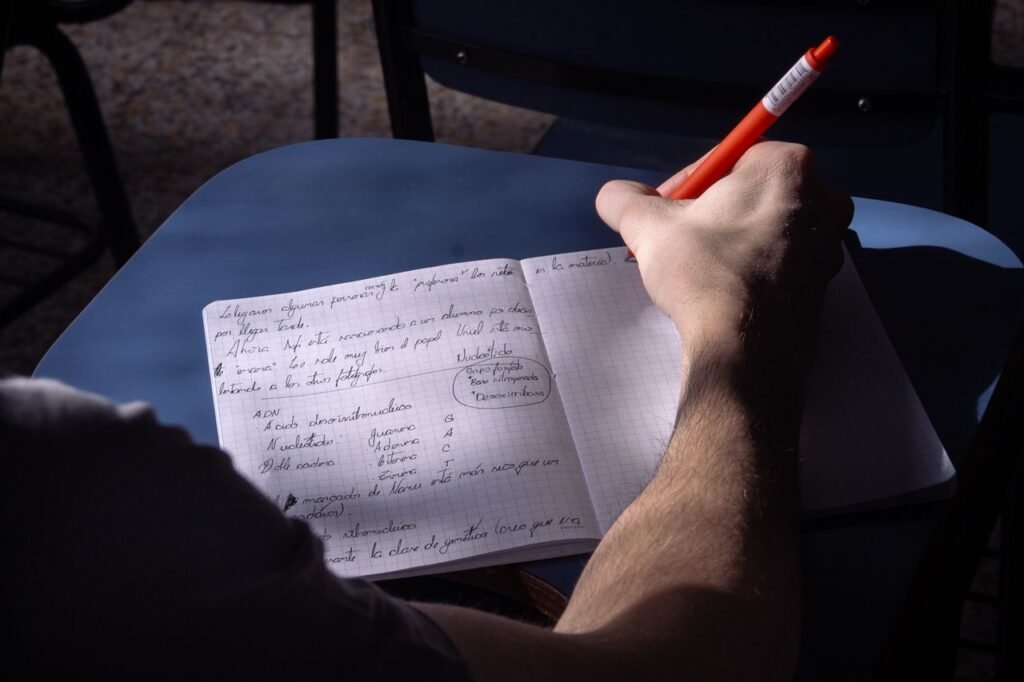
Proofreading is the final check. You catch spelling mistakes, grammar errors, punctuation slips and formatting inconsistencies in a text that is already written. You do not rewrite sentences or change the meaning — you clean up what is there.
Copy editing goes deeper. You fix awkward sentences, improve clarity and flow, check facts and consistency (names, dates, numbers), and make the text easier to read. Developmental editing is deeper still: restructuring whole documents, chapters or courses.
Most beginners in Pakistan start with proofreading, then move into copy editing as their confidence grows. The pay rises with the depth of the work, but so does the responsibility.
Skills You Need (and What You Can Skip)
You do not need a degree in English to start, but you do need a solid, honest command of the language your clients write in — usually English.
Must-have skills:
- Strong English grammar, spelling and punctuation — the kind you can explain, not just feel.
- Attention to detail: spotting a missing comma in a 3,000-word document is the job.
- Consistency: the same term spelled the same way throughout a document.
- Ability to follow a style guide (AP, Chicago, or a client’s own house style).
- Meeting deadlines. Clients remember editors who deliver on time more than editors who are brilliant but late.
You can skip (for now): a literature degree, expensive certification, and perfect knowledge of every style guide. A short free course and a few practice samples will teach you more than months of theory.
If you already write content, you have a head start — our guide on how to earn money writing online in Pakistan covers the same client platforms, and many writers add proofreading as a second service.
Step 1: Learn the Basics (Free, in 2–3 Weeks)
Spend two to three weeks building the core skill before chasing clients:
- Take a free proofreading course. Search for free proofreading and editing courses on platforms like Coursera, Alison and YouTube — pick one with practice exercises, not just video lectures.
- Learn one style guide. Start with the basics of AP style (common in blogs and news) or Chicago style (common in books). You do not need to memorise them — learn where to look things up.
- Master the tools. Grammarly (free version), Hemingway Editor and Google Docs’ suggestion mode catch the mechanical errors so you can focus on judgement. Microsoft Word’s Track Changes is the tool most book and business clients still expect you to use.
- Practise on real text. Proofread five public-domain articles or old blog posts and keep before/after versions. These become your first portfolio samples.
Step 2: Build a Small Portfolio
Clients hire proofreaders they can trust, and trust comes from proof. You need three to five samples before your first pitch.
- Proofread a friend’s thesis chapter, a local business’s brochure, or a blogger’s old posts — with permission — and keep the tracked-changes version as a sample.
- Create one short “before and after” example: a paragraph full of common errors, then your corrected version with a short note explaining each fix. This single page convinces clients faster than a CV.
- If you also do writing or design work, link your samples together. Our guide on building a proof-of-work portfolio website explains the structure that wins clients.
Step 3: Where to Find Proofreading Clients
There are two routes: freelance platforms and direct clients. Start with platforms, then build direct relationships — they pay better and last longer.
Freelance platforms: Upwork, Fiverr and Freelancer all have steady demand for proofreaders. Search “proofreading” and “editing” and study the top gigs: note their titles, prices and sample work. Start with small jobs (a 1,000-word blog post, a short eBook chapter) and collect five-star reviews before raising your rates. Our guide on winning proposals on Upwork and Fiverr explains how to write proposals that actually get replies.
Direct clients: Bloggers, self-published authors, course creators, small businesses and students all need proofreading — and many never post on platforms. Offer a free 500-word sample edit to a blogger or author whose work you admire; a good sample edit is the best cold pitch in this niche.
Specialised work: Academic editing (theses and journal papers), business editing (reports, proposals, websites) and book editing (self-published authors) each pay differently. Academic and book work usually pay more but demand stricter style-guide knowledge.
Step 4: How to Price Your Proofreading Work
There is no single “market rate” — pricing depends on the type of editing, the document’s condition and your experience. Use a method, not a guess:
| Service | Common pricing method | What affects the price |
|---|---|---|
| Proofreading | Per word or per 1,000 words | Text quality, turnaround time |
| Copy editing | Per word or per hour | Depth of changes, subject complexity |
| Developmental editing | Per project | Document length, restructuring needed |
| Academic editing | Per word | Citation style, technical subject |
Worked example (labelled as an example, not a market rate): if you charge per 1,000 words and a 5,000-word blog post takes you two hours, your effective hourly rate is 2.5 × your per-1,000-word price. Track your time on the first ten jobs — most beginners underestimate how long careful editing takes.
Three pricing rules that protect you: quote after seeing a sample of the text (never quote blind — a messy document takes twice as long); charge a rush fee for 24-hour turnarounds; and take an advance for new clients, just as our guide on client contracts for Pakistani freelancers recommends.
Step 5: Get Paid from Pakistan
Most proofreading clients pay through the platform you found them on, so your platform’s payout setup matters most. For direct clients, Payoneer and Wise are the standard routes for receiving international payments in Pakistan, with withdrawal to your local bank account. Agree the payment method and currency in writing before starting work, and confirm the current fees and limits inside your own account — they change over time. Our comparison of how Pakistani freelancers actually get paid covers all three routes in detail.
Common Mistakes Beginners Make
- Quoting without reading the text first. A badly written 5,000 words can take three times longer than a clean one. Always ask for a sample.
- Editing instead of proofreading when the client only paid for proofreading. Do the job you were hired for; offer the deeper service as a paid upgrade.
- Working without a brief. Agree on the style guide, the deadline and the number of revision rounds before you start.
- Ignoring turnaround time. A proofreader who delivers on time gets repeat work. A brilliant proofreader who is always late does not.
- Falling for scams. Never pay a “registration fee” to get proofreading work, and never do a large unpaid “test” that is really the client’s deliverable. Our guide on freelance scams in Pakistan lists the red flags.
Your First 30 Days: A Simple Plan
Week 1: Finish one free proofreading course and learn Track Changes in Word or suggestion mode in Google Docs.
Week 2: Proofread five practice documents and build your before/after samples.
Week 3: Create your Fiverr gig and Upwork profile, and send five sample-edit offers to bloggers or authors.
Week 4: Take your first small paid job, deliver it early, and ask for a review. One honest review is worth more than a perfect profile with no reviews.
Proofreading will not make you rich in a month, and anyone who promises that is selling you something. What it will do is pay for real skill, with real demand, from clients all over the world — and every job makes the next one easier to win.
Frequently Asked Questions
Do I need a degree to become a proofreader?
No. Clients care about your samples and your accuracy, not your degree. A short course, a clean portfolio and good reviews matter far more than formal qualifications for most freelance proofreading work.
How much can a beginner proofreader earn in Pakistan?
It depends on your clients, your speed and the type of editing — there is no fixed salary. Beginners typically start with small per-word jobs and raise their rates as reviews and repeat clients build up. Track your time on every job so you know your real hourly earnings.
What is the difference between proofreading and copy editing?
Proofreading is the final check for spelling, grammar and punctuation. Copy editing also improves clarity, flow and consistency, and may involve rewriting awkward sentences. Copy editing takes longer and usually pays more.
Which tools do proofreaders use?
Grammarly and Hemingway Editor for mechanical checks, Microsoft Word Track Changes or Google Docs suggestions for delivering edits, and a style guide (AP or Chicago) for consistency decisions. The tools assist you — they do not replace your judgement.
Can I do proofreading part-time alongside a job or studies?
Yes — it is one of the most flexible freelance services. Most jobs are per-project with a deadline, so you can take work around classes or a day job. Start with small jobs and short deadlines until you know your real speed.
Premium Digital Products
If you want to turn proofreading into a real freelance business, these ready-made resources can help you work faster and look more professional:
- Freelancer Business Kit ($14.99) — contracts, invoices and client templates for running your freelance work properly.
- 100 Viral Content Prompts ($9.99) — ready-to-use prompts for creating content that brings clients to you.
- Content Creator Planner 2026 ($12.99) — plan your content, pitches and client outreach week by week.
Follow Us
- YouTube: AI Tool Hunter
- TikTok: @aitoolhunter2
- Facebook: AI Tool Hunter