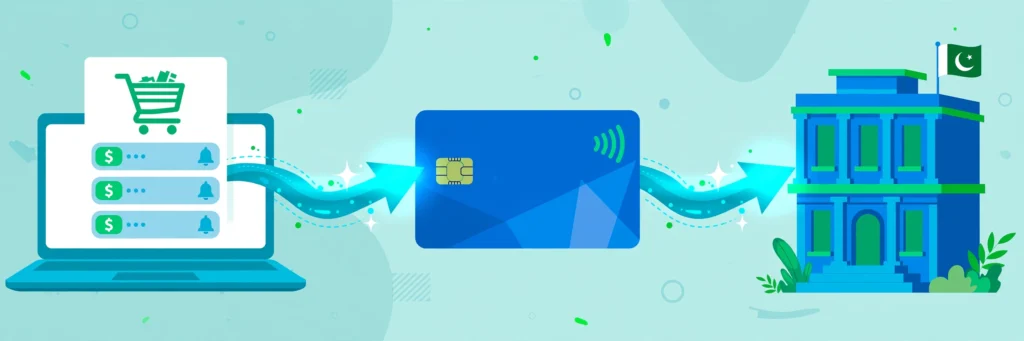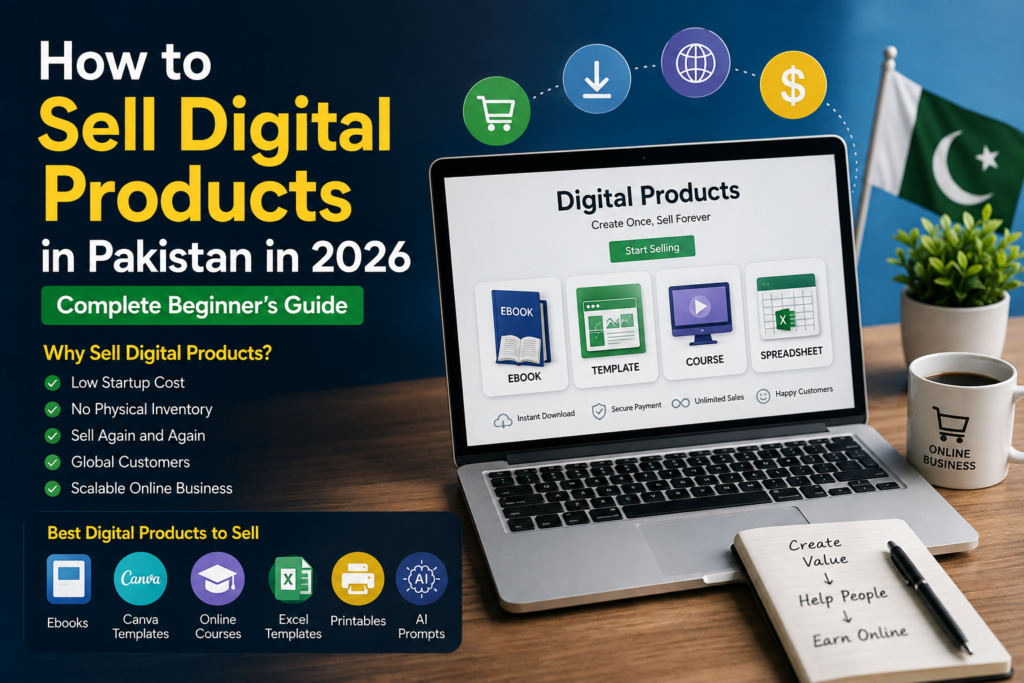
If you live in Pakistan and want to earn in dollars without shipping parcels abroad or holding inventory, selling digital products on Etsy is one of the most realistic options in 2026. Planners, templates, printable wall art, and resume designs are created once and delivered to buyers automatically after payment — no courier, no packaging, no stock.
This guide covers exactly how to start selling digital products on Etsy from Pakistan: the setup steps, the real costs, how you get paid, and which products beginners can realistically create. No hype, no overnight-income promises — just a practical path.
Why Digital Products Fit Sellers in Pakistan
Shipping physical products internationally from Pakistan means high costs, slow delivery, customs paperwork, and painful returns. Digital products remove all of that:
- Zero shipping: Etsy delivers files to the buyer automatically once payment clears.
- Low startup cost: a laptop and free tools like Canva are enough to begin.
- Create once, sell repeatedly: one good template can keep selling for months — but only if buyers can find it, which is why listing SEO matters.
- Dollar earnings: most Etsy buyers are in the USA, UK, and Europe, so you earn in foreign currency while spending in rupees.
One honest note: this is a real business, not passive income on autopilot. Expect your first weeks to go into learning, designing, and listing. Sales usually follow consistent effort — they rarely come before it.
Can Pakistanis Sell on Etsy in 2026?
Yes. Sellers from Pakistan can open and run Etsy shops, and many already do. Three practical points:
- Getting paid: Etsy processes buyer payments, and sellers in Pakistan receive earnings through Payoneer. Connect a Payoneer account to your shop, and withdraw to your local bank in PKR.
- Currency: price products in USD, since that is what most buyers use.
- Records: track your earnings from day one. If income grows, check Pakistan’s current tax rules for online sellers rather than assuming.
How to Start: Step-by-Step
Step 1: Create Your Account
Sign up with an email you check regularly. Set shop language to English and currency to USD. Choose a short, memorable shop name related to your niche — easy to spell beats clever but confusing.
Step 2: Pick One Focused Niche
Do not sell everything. Shops focused on one niche — wedding invitation templates, printable planners, resume designs — do better because Etsy understands what the shop is about and buyers trust specialists. Pick something where you have basic design ability and real interest, since you will make dozens of products in it.
Step 3: Set Up the Shop
Add a clean icon and banner (Canva has free Etsy-sized templates), write an honest About section, and set shop policies explaining that items are instant downloads — no physical product will be shipped.
Step 4: Create 10–20 Products
Quantity matters: more listings mean more chances to appear in search. Aim for at least 10 quality listings before judging results, then keep adding. Design in Canva or Figma and export as PDF or high-resolution PNG. Each product should be something you would happily pay for yourself.
Step 5: Write Listings That Get Found
Etsy is a search engine. Use words buyers actually type — “printable”, “template”, “instant download” — in your titles. Fill all 13 tags with specific keyword phrases, write descriptions that answer buyer questions (what is included, file formats, how to download), and show attractive mockup images.
Step 6: Price Realistically
Most digital products sell between $2 and $15. Check comparable sellers and price near the middle of your niche as a beginner. Raise prices once reviews arrive.
Step 7: Publish and Promote
Etsy brings its own traffic, but new shops benefit from outside promotion. Pinterest is one of the strongest free traffic sources for Etsy sellers — printables and templates perform especially well there.
10 Realistic Product Ideas for Beginners
- Printable planners — daily, weekly, and monthly organizers.
- Resume and CV templates — clean designs job seekers need.
- Social media templates — posts and stories for small businesses.
- Invitation templates — editable wedding and birthday designs.
- Wall art printables — quotes, minimalist designs, nursery art.
- Budget spreadsheets — simple finance trackers.
- Educational worksheets — steady demand from parents and teachers.
- Business card templates — for freelancers and startups.
- Digital notebooks — for tablet note-taking apps.
- Digital planner stickers — for the digital planning community.
AI tools can speed up design work — our guide to making money with AI shows practical ways beginners use them — but always edit and add original value. Unedited, generic output rarely sells.
The Real Costs: Etsy Fees
- Listing fee: $0.20 per listing, charged on publish or renewal. Listings last four months or until sold.
- Transaction fee: 6.5% of the total sale price.
- Payment processing fee: a small additional percentage that varies by country.
Rough example: on a $5 template sale, expect to keep around $4 after fees. Listing 20 products costs about $4 — your real investment is time.
How Payouts Work
Etsy deposits earnings to your connected Payoneer account on its payout schedule; from Payoneer you withdraw to your Pakistani bank in rupees. The first payout for a new shop can take longer during verification — that is normal. Keep your Payoneer and bank details consistent to avoid delays.
5 Mistakes Beginners Should Avoid
- Copying other sellers’ designs — the fastest way to get shut down.
- Listing 3 products and expecting sales — treat 20+ listings as your real starting line.
- Ignoring SEO — products nobody can find do not sell.
- Using trademarked characters or brands — cartoon characters and logos invite takedowns.
- Quitting after two weeks — first sales typically take weeks to months of consistent effort.
Frequently Asked Questions
Do I need a business license to start?
For starting small as an individual seller, generally no. As income grows, review local tax and business rules to stay compliant.
How much money do I need?
$10–$20 covers listing fees for a first batch of products. Free design tools mean your main investment is time.
How long until the first sale?
Realistically weeks to months, depending on niche, listing count, quality, and SEO. Anyone promising first-week riches is selling you something.
Can I use AI tools to create products?
Yes, as a starting aid for brainstorming and drafting. The final product must be edited and genuinely useful — shops full of generic output struggle.
Is it really free to start?
Not entirely — new Etsy shops pay a one-time $29 setup fee. There is no monthly fee for a standard shop, but listing fees ($0.20 each) and sales fees also apply. Budget a few dollars for listings.
Final Thoughts
Selling digital products on Etsy from Pakistan is a genuinely realistic way to earn in dollars with little startup money — but it rewards patience, originality, and consistency. Pick one niche, publish 10–20 quality listings, learn Etsy’s search basics, and give it three months of real effort before judging results.
Want more ideas? Browse more online earning guides on our blog and pick the method that fits your skills.
Follow Us
Stay updated with our latest guides and tips:
- YouTube: AI Tool Hunter
- TikTok: @aitoolhunter2
- Facebook: AI Tool Hunter